
Both make a hard-wearing driveway when they are laid on a properly built base. They differ in how they look, how they handle water and how they cope with repairs, and one usually suits a particular house better than the other.
How they look
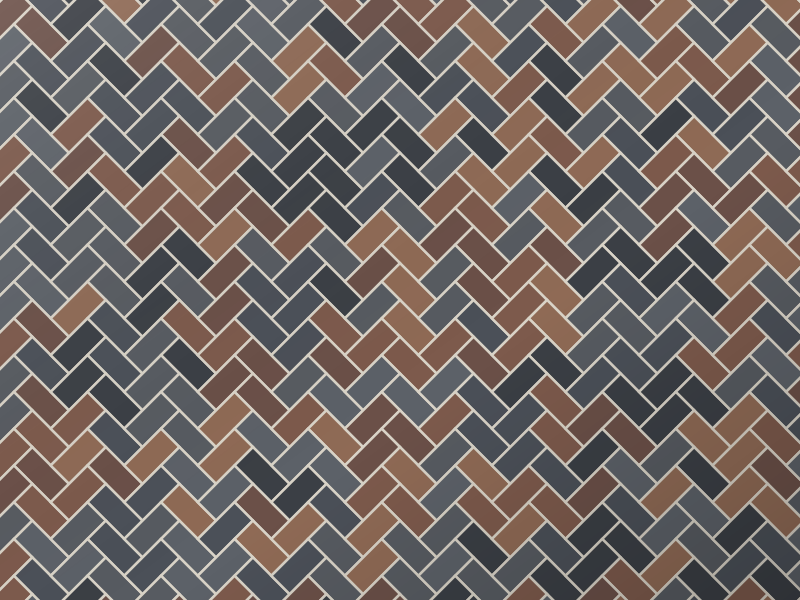
Resin bound gives a seamless surface in natural stone, from warm golds to cool greys, and suits modern and traditional houses alike. Block paving offers patterns, borders and colours from charcoal to brindle, and has a more traditional, structured look.
Drainage
Resin bound is permeable across its whole surface. Standard block paving is not, so it has to drain to a lawn, a border or a drainage channel. Permeable blocks, with wider joints filled with fine gravel, are the exception. This matters for planning on front drives.
Repairs and work underneath
Block paving can be lifted and relaid in one section if a pipe or cable underneath needs work, with no visible trace. A patch in resin can be done, but a new mix may not match an older, weathered surface exactly, so it pays to plan any cables, pipes or lighting before the resin goes down.
Upkeep
Resin has no joints, so there are far fewer places for weeds to take hold. A sweep and an occasional wash keep it looking good. Block paving needs weeds and moss kept out of the joints and, every so often, the joints topping up with fresh kiln-dried sand.
Heavy vehicles and tight turns
Block paving laid in herringbone copes very well with heavy vehicles and tight turning. Resin on a correct base takes everyday cars without trouble, but turning the steering wheel hard while the car is standing still can scuff a new surface in its first few weeks, particularly in hot weather.
Choosing between them
If you want a smooth, modern finish that drains on its own, resin bound is usually the answer. If the drive takes heavy vehicles, needs regular access underneath, or suits a traditional house, block paving often makes more sense. Many drives combine the two: resin in the middle, framed with a block border.
Related services